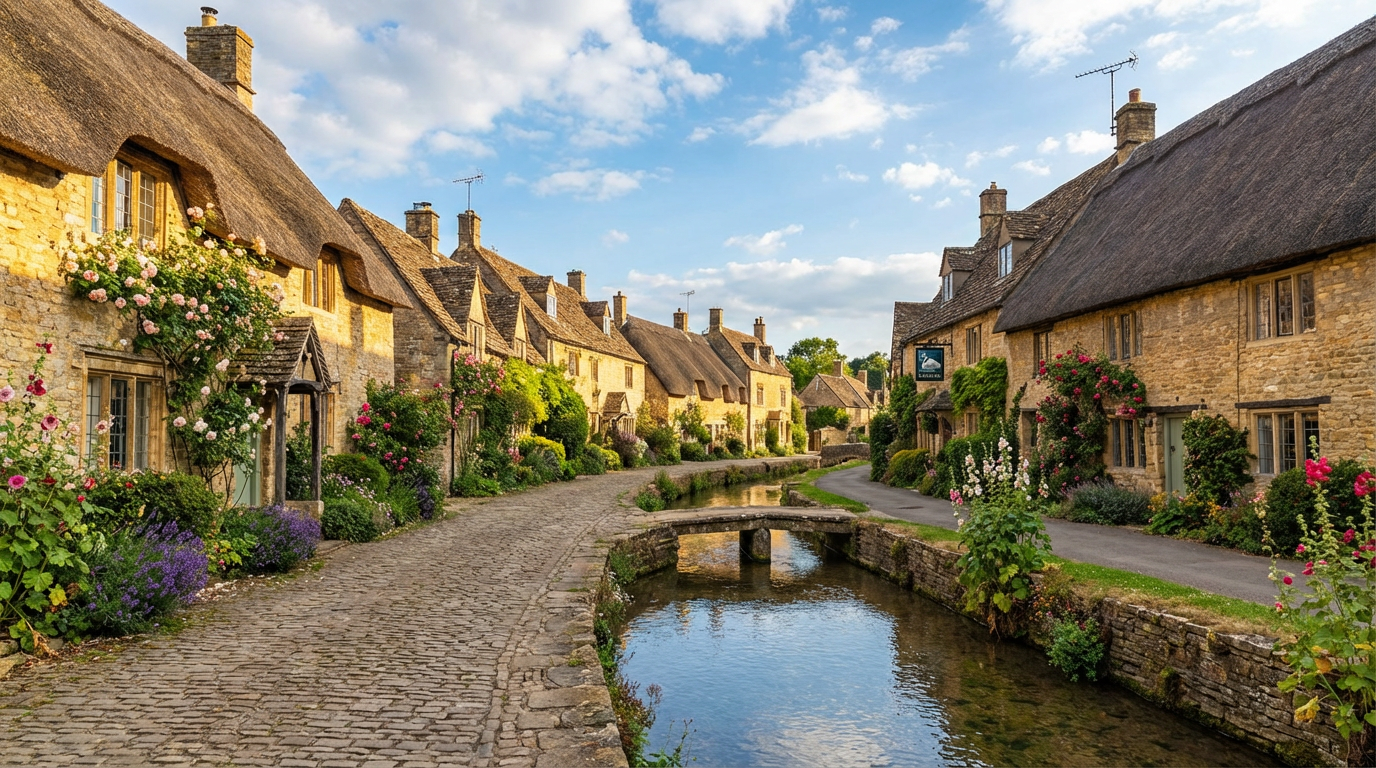
There is almost nowhere in Britain more beautiful to live than the Cotswolds. The honey-coloured limestone, the wisteria-draped walls, the views across rolling farmland on an autumn morning — I completely understand why buyers fall in love at first sight. But as a surveyor who has inspected hundreds of Cotswold properties over fifteen years, I can also tell you that beauty and structural soundness are not always the same thing.
This guide is for anyone considering buying a Cotswold stone property in West Oxfordshire — whether it's a Grade II listed cottage in Burford, a farmhouse near Chipping Norton, or a village terrace in Charlbury or Bourton-on-the-Water. The specific issues that affect Cotswold properties are different from those of a Victorian brick terrace in Oxford — and you need a surveyor who understands those differences.
What Makes Cotswold Stone Construction Different
Cotswold stone properties are built from oolitic limestone — the same golden material that gives the region its distinctive character. Limestone is a sedimentary rock that varies considerably in quality and durability. The traditional construction technique uses solid stone walls, often 500–600mm thick, with lime mortar pointing.
The critical principle is this: these buildings are designed to breathe. Moisture is absorbed into the stone and mortar, then released again as conditions change. The lime mortar is intentionally slightly softer than the stone — so if movement occurs, the mortar cracks (and can be re-pointed) rather than the stone itself.
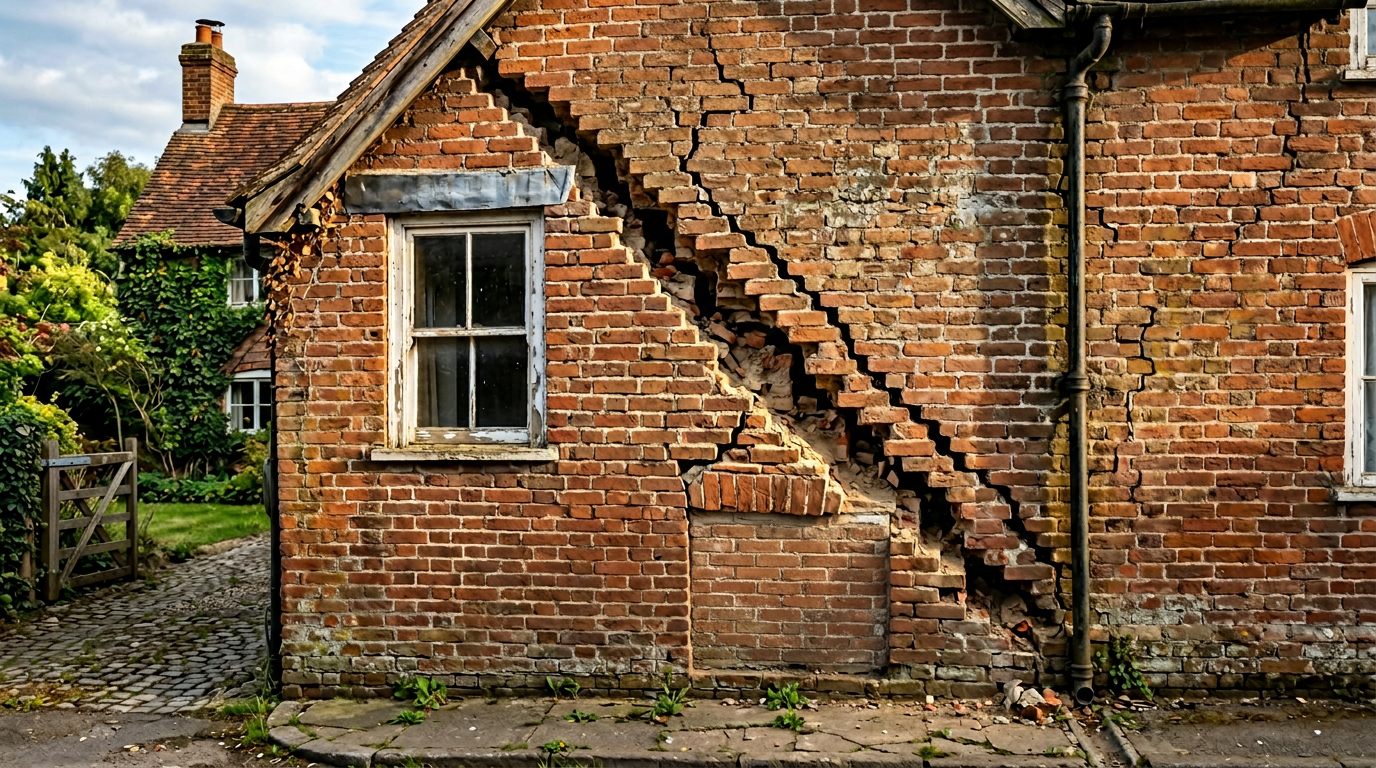
Problems arise — and they do arise — when this breathing system is disrupted. The most common culprit is modern cement mortar used in repairs. Cement is harder and more rigid than lime, which means it doesn't allow the natural movement that lime does. It also prevents moisture from escaping, trapping it in the stone and causing accelerated frost damage and spalling.
The 8 Things Our Surveyors Always Check in Cotswold Properties
1. Mortar Type and Condition
We assess whether pointing is lime or cement-based, and where cement has been used, how extensively. Cement repointing is one of the most common causes of accelerated stone deterioration in the Cotswolds. Replacing cement with lime is possible, but it requires a skilled specialist and is not cheap.
2. Stone Spalling and Weathering
Limestone weathers over time. We check for signs of spalling (where the face of the stone flakes away), delamination, and significant erosion — particularly on south and west-facing elevations exposed to driving rain and frost cycles.
3. Roof Covering and Structure
Traditional Cotswold roofs are covered in natural stone slates — Stonesfield or Forest Marble slates. These are heavy, and the roof structure must be robust enough to carry them. We check the roof structure for adequate support, signs of spread or sagging, and the condition of the slates, valleys and flashings. Replacing a failed Cotswold stone slate roof is significantly more expensive than a standard clay or concrete tile roof — costs of £30,000–£80,000 or more are not unusual for a large farmhouse.
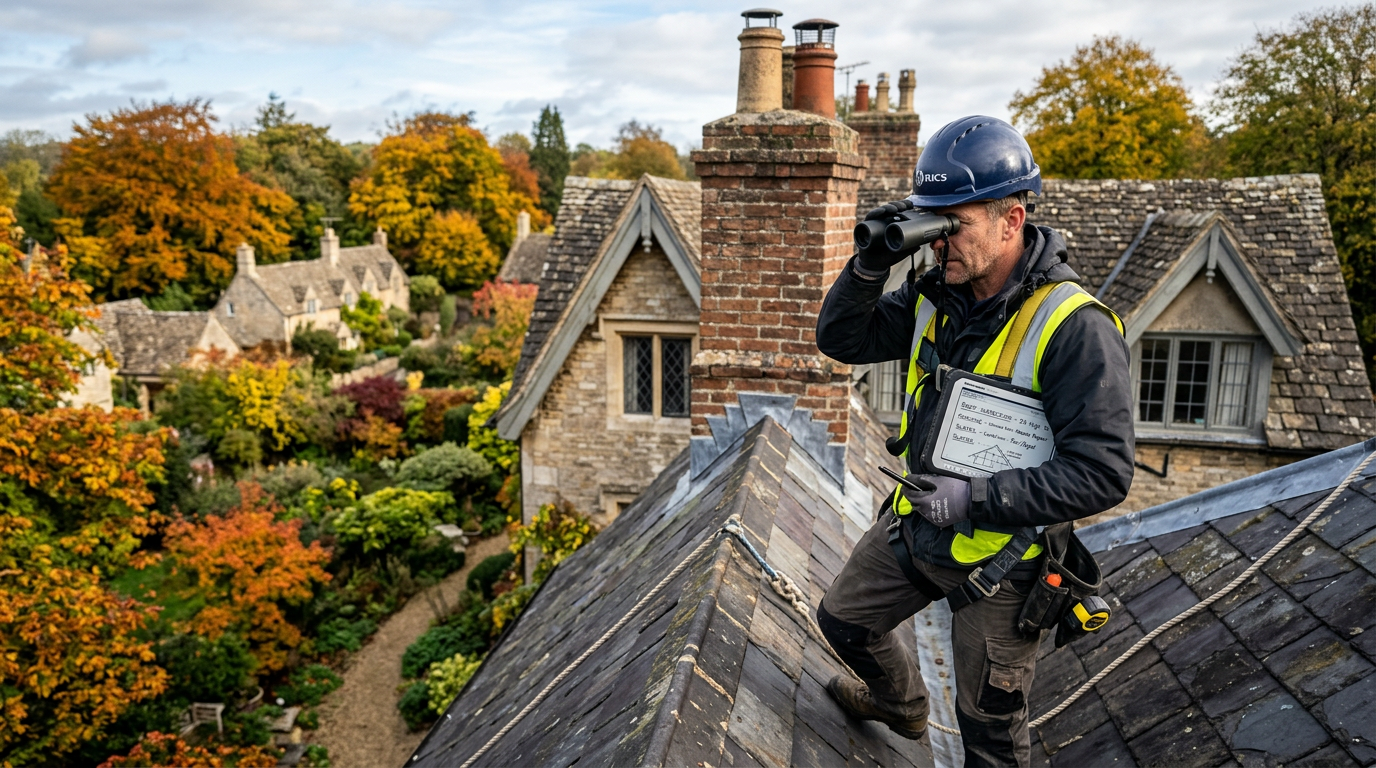
4. Chimney Stacks and Flashings
Cotswold properties typically have multiple chimney stacks. Each one needs pointing, the flashings (the junction between the stack and the roof) need to be sound, and the chimney pots should be intact. Failing flashings are one of the most common sources of water ingress in Cotswold properties.
5. Damp and Ground Levels
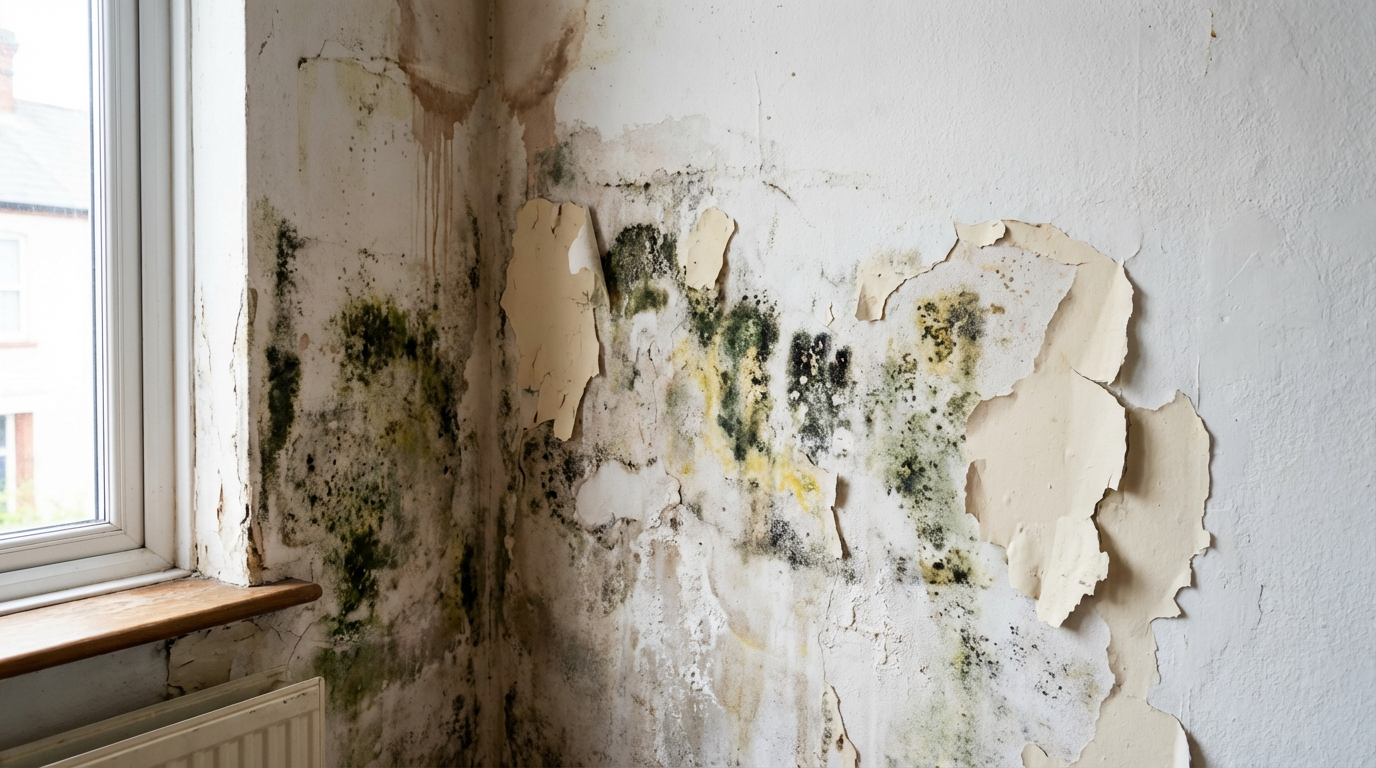
Many older Cotswold properties pre-date the introduction of damp-proof courses. Ground levels around the building are critical — if soil or paving has been raised over the years to bridge the original DPC (where one exists), moisture will track into the building. We always check external ground levels carefully.
6. Listed Building Status and Restrictions
Many Cotswold properties are Grade I or Grade II listed. This doesn't affect the structural survey itself, but it has significant implications for any repair or alteration work. Cement repointing (a historic problem, as noted) is technically unauthorised on a listed building. Any significant work will need listed building consent, and may need to be carried out using traditional materials and techniques. We flag this clearly in our reports.
7. Services and Infrastructure
Rural Cotswold properties are often on private drainage systems — septic tanks or treatment plants — rather than mains drainage. They may have private water supplies or bore holes. Oil-fired central heating is common. We note the type of services present and recommend specialist inspection of any private drainage or water supply.
8. Timber Condition
Older Cotswold properties have substantial oak or elm roof and floor structures. We check for signs of woodworm, wet rot, dry rot and beetle infestation. Oak structures can be remarkably durable — but they can also harbour hidden decay, particularly in damp or poorly ventilated roof spaces.
A Burford Case Study
A couple asked us to survey a 17th-century Grade II listed cottage near Burford. The property looked immaculate from the road. Our Level 3 survey found: extensive cement repointing to the north and east elevations (causing moisture entrapment and early-stage stone spalling), significant roof structure movement requiring a structural engineer's inspection, a failed septic tank requiring immediate replacement (estimated cost £8,000–£12,000), and a private water supply that hadn't been tested for several years. Total findings: approximately £45,000 of necessary or recommended expenditure. The buyers used the report to negotiate a £22,000 price reduction and budgeted realistically for the remaining works. They love the house. But they went in with their eyes open.
Do I Really Need a Level 3 Survey for a Cotswold Property?
Yes. Unequivocally. I wouldn't carry out a Level 2 survey on a traditional Cotswold stone property. The age, the construction method, the potential for hidden defects behind what can be a very attractive exterior, and the cost implications of getting it wrong all require the most thorough inspection available.
A Level 3 Building Survey from Oxford Surveyor for a Cotswold property will give you a thorough understanding of the construction, a detailed assessment of every defect found, repair cost estimates, and specific advice on listed building requirements and appropriate materials. It's the most important investment you'll make in the buying process.
What About the Cost of a Cotswold Survey?
Survey costs for Cotswold properties vary depending on size, age and complexity. Our Level 3 surveys for rural period properties typically start from £650–£750 for a standard cottage and increase from there for larger farmhouses. Given what's at stake, this is very modest protection. Contact us for a free fixed-price quote.
Buying a Cotswold Property in Oxfordshire?
Our surveyors understand Cotswold stone construction and the specific challenges of period properties in West Oxfordshire.
Get Your Free Quote