Every week I speak to home buyers who are confused about the difference between a Level 2 and a Level 3 survey. It's one of the most common questions we get at Oxford Surveyor — and it's entirely understandable. The RICS survey names don't tell you very much on their own. So here's the honest, plain-English breakdown.
A Brief History — Why the Names Changed
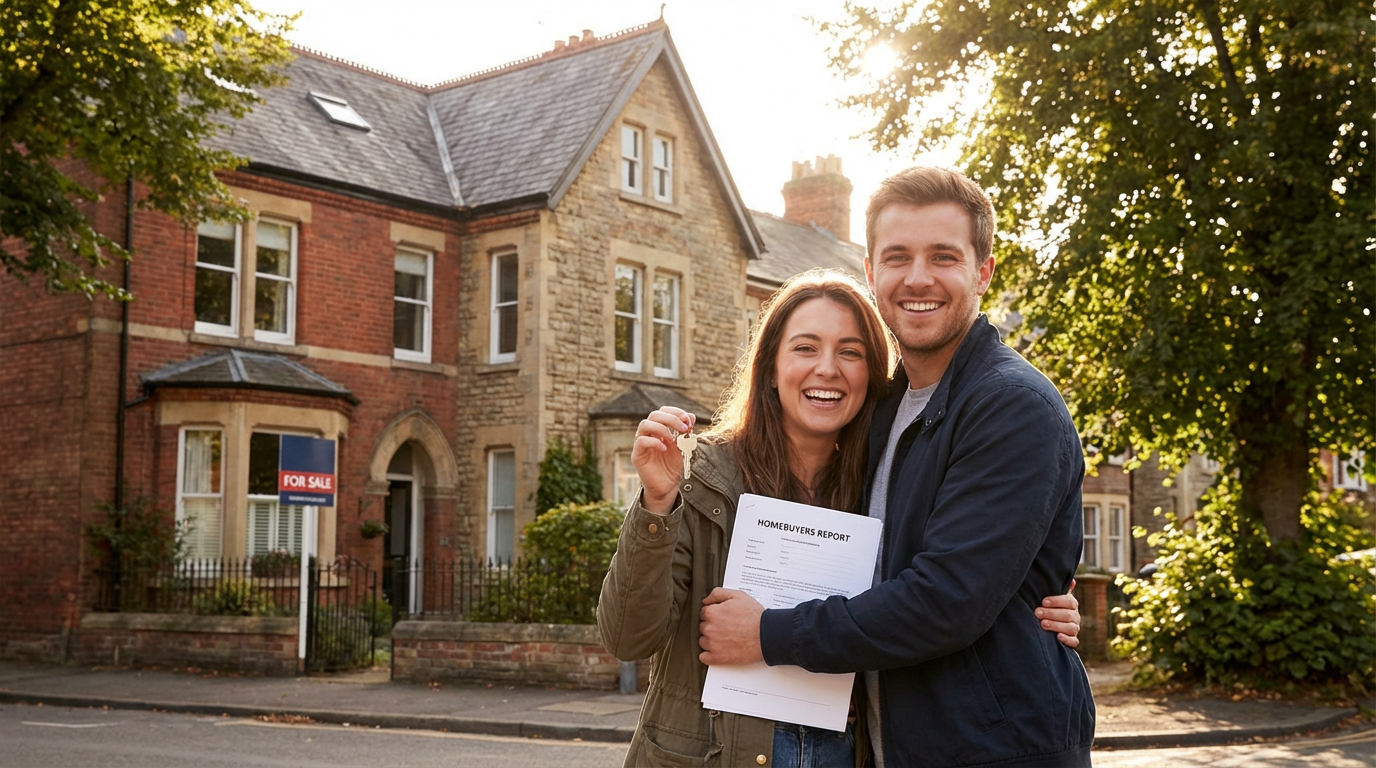
Until 2021, the most popular residential survey was called a HomeBuyer Report. The most comprehensive was called a Full Structural Survey (or Building Survey). These names weren't particularly helpful, but people understood them. Then RICS standardised their survey products into three numbered levels. Level 1 (Condition Report), Level 2 (Home Survey), Level 3 (Building Survey). The content is broadly similar to what came before — the names just changed.
What a Level 2 Home Survey Actually Covers
A Level 2 Home Survey is a thorough visual inspection of the property. Your surveyor will look at:
- The roof and roof structure (from inside the loft space where accessible)
- External walls, pointing and render
- Windows, doors and external joinery
- Internal walls, floors and ceilings
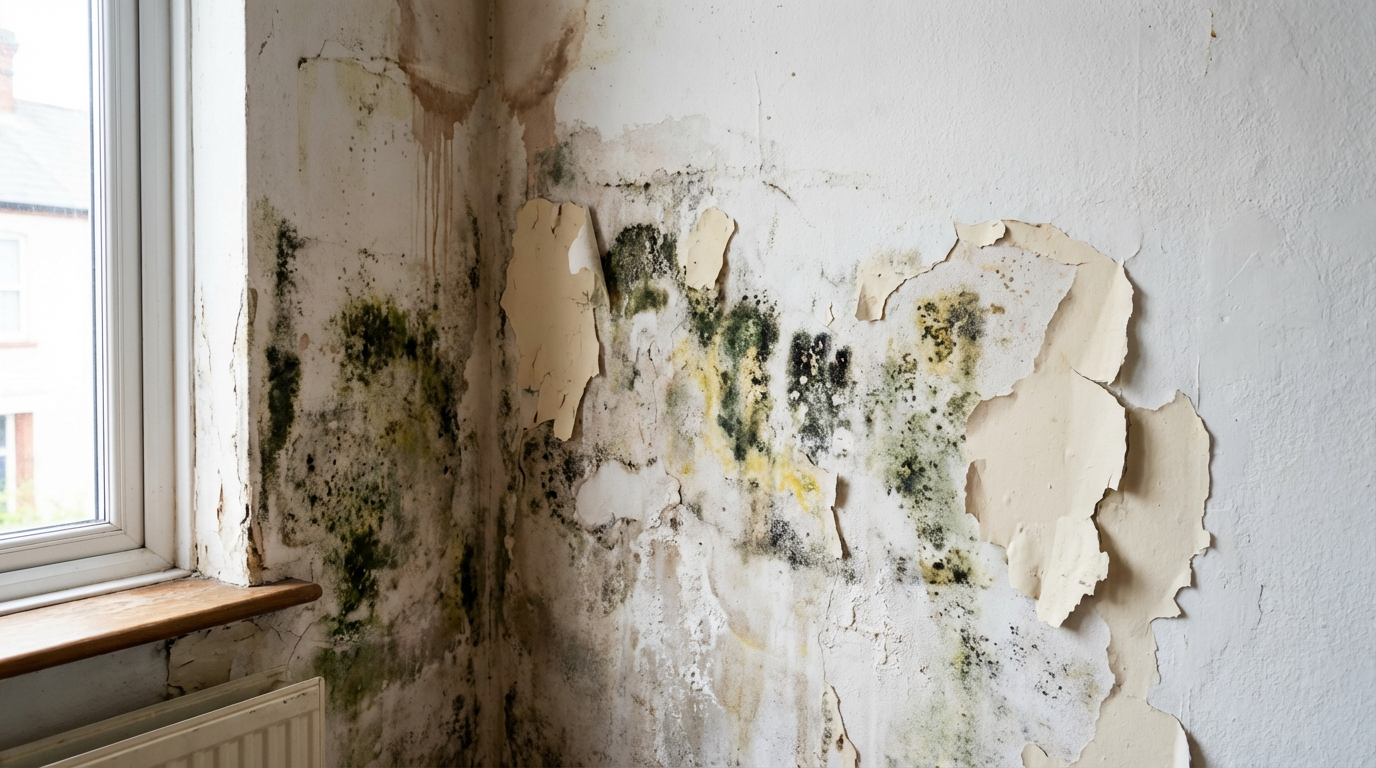
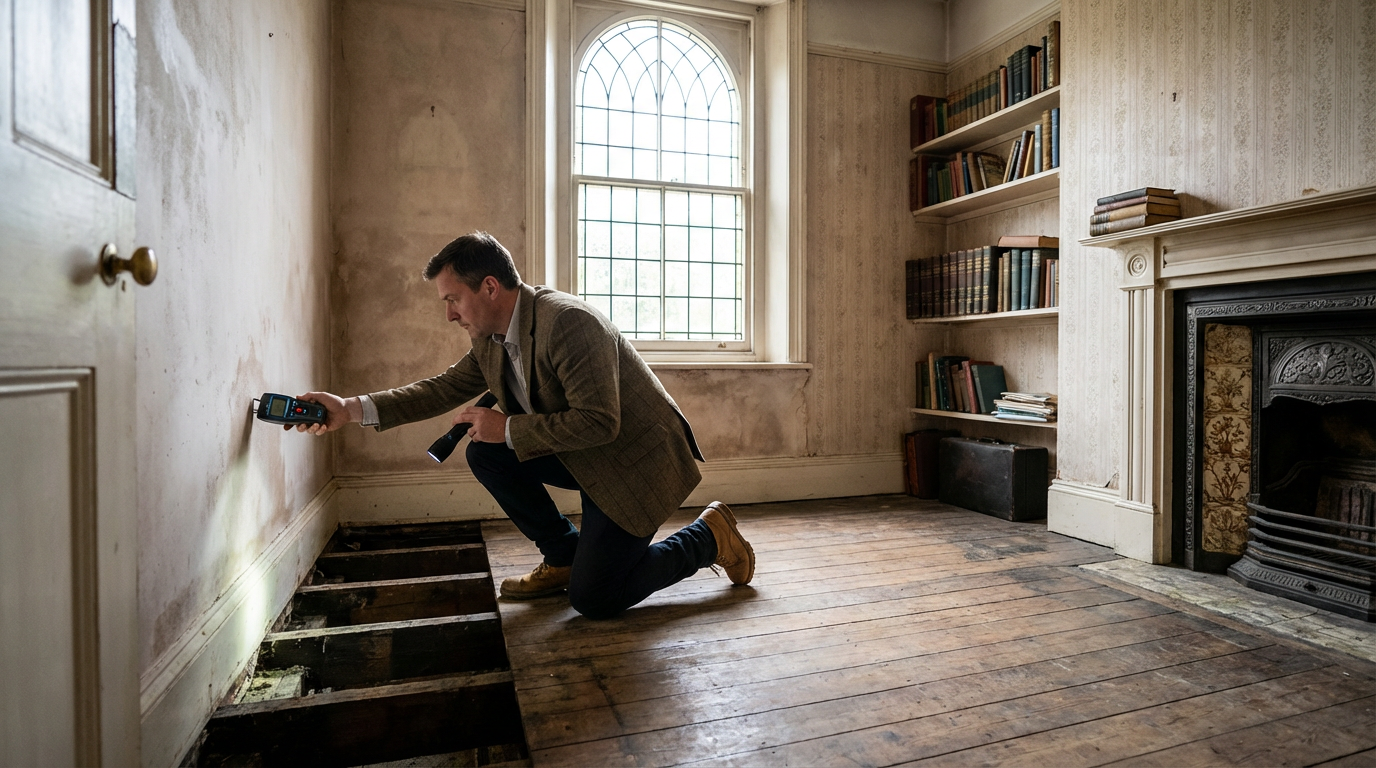
- Damp and moisture throughout (using a moisture meter)
- Visible services (heating, plumbing, electrical — visually only)
- Outbuildings and grounds within the boundary
Every element gets a condition rating: 1 (green) – no concern, 2 (amber) – needs attention soon, or 3 (red) – urgent attention. The report then gives you clear commentary on any items rated 2 or 3, explaining what the issue is and what you should do next.
A Level 2 survey does not include repair cost estimates and does not go into as much detail about the construction of the building as a Level 3.
What a Level 3 Building Survey Adds
A Level 3 Building Survey is the most comprehensive option. It covers everything in the Level 2, but goes further:
- A more detailed description of the building's construction and materials
- In-depth investigation of defects — their likely cause and how they've developed
- Estimated repair costs for significant defects
- Advice on specialist investigations that may be needed
- A section on legal and other matters that may affect the property
- More extensive commentary throughout
The report will typically be 40–60 pages for a Victorian terrace, compared to 25–35 for a Level 2 on a similar property. The inspection itself also takes longer — a Level 3 on a large older house can take 3–4 hours on site.
Level 2 vs Level 3: Side-by-Side Comparison
| Feature | Level 2 Home Survey | Level 3 Building Survey |
|---|---|---|
| Traffic light condition ratings | ✓ | ✓ |
| Visual inspection of all accessible areas | ✓ | ✓ |
| Moisture meter readings throughout | ✓ | ✓ |
| Detailed construction description | Basic | ✓ Full |
| Repair cost estimates | ✗ | ✓ |
| Defect cause and development explained | Limited | ✓ Full |
| Legal and other matters section | ✗ | ✓ |
| Typical report length | 25–35 pages | 40–60 pages |
| Typical Oxford price | £395–£550 | £595–£850+ |
| Recommended for Victorian/Edwardian Oxford homes | ✗ | ✓ Essential |
The Decision: A Practical Guide for Oxford Buyers
Here's how I advise clients when they ask me which survey they need:
Choose Level 2 if…
- The property was built after approximately 1960
- It's of conventional construction (cavity brick walls, tiled roof)
- It appears to be in good or reasonable condition
- It's a flat or smaller terraced house
- You've had a good look around and have no specific concerns
Choose Level 3 if…
- The property was built before 1900 (or is a Victorian or Edwardian property)
- It's a listed building or in a conservation area
- It's built from unusual materials (stone, flint, timber frame, concrete)
- It's large — say, 4 or 5 bedrooms and above
- You've spotted cracks, damp or other visible concerns during viewings
- You're buying a Cotswold stone property or any rural period property
- You're planning significant work and want to understand what you're taking on
When in Doubt, Ask Us
If you're not sure which survey is right for your property, just tell us the address and we'll give you our honest recommendation — free, and with no obligation to proceed. In some cases we'll suggest a Level 2; in others we'll strongly recommend a Level 3. We only recommend what we genuinely think you need.
The Cost Difference
A Level 2 Home Survey on a standard property in Oxford will typically cost from £395–£550. A Level 3 Building Survey on the same property will typically cost from £595–£850. The difference might be £150–£200 — but the additional information you get from a Level 3 on an older property is often worth many times that amount in terms of the defects and repair costs it will identify.
What About the Mortgage Valuation?
Your mortgage lender will arrange a valuation of the property. This is not a survey and is not designed to protect you. It confirms the property is worth what the bank is lending. Nothing more. Whether you get a Level 2 or Level 3 survey is entirely separate from your lender's valuation — and entirely your decision. We'd always recommend one, regardless of what your lender has seen.
Real Oxford Examples
Example 1: A 2005-built detached house in Bicester. Modern construction, looks well-maintained. We recommended a Level 2 survey. The survey flagged a failing flat roof over the single-storey extension (Rating 3 — estimated cost £4,200) and a drainage issue in the garden. The buyer renegotiated. The Level 2 was the right call.
Example 2: An 1895 Victorian terrace in Jericho, Oxford. We strongly recommended a Level 3. The survey found significant timber decay in the first floor, a failed chimney breast that had been incorrectly removed without structural support, and serious penetrating damp affecting the rear elevation. Total repair estimate: £28,000. The buyer used the report to negotiate a £15,000 reduction and walked into the purchase with a clear picture of what needed doing. The Level 3 was absolutely the right choice.
"I never recommend a Level 2 for a pre-1900 property in Oxford. The construction techniques, the age of the materials and the history of modifications mean you need the most thorough survey available."
— James Thornton, Oxford Surveyor
Not Sure Which Survey You Need?
Tell us about your Oxford or Oxfordshire property and we'll recommend the right survey — free, no obligation.
Get Free Advice